Old Appliances Removed Without the Logistics
Appliance removal in Fredericksburg for refrigerators, washers, and heavy units that municipal trash collection refuses
Many older homes throughout Fredericksburg were built in eras when appliances were installed into finished spaces—kitchens and laundry rooms with tight clearances, narrow doorways, and flooring that was not designed with future removal in mind. Getting a replaced refrigerator, washing machine, or chest freezer out of those spaces without damaging surrounding walls, baseboards, or flooring requires planning and the right equipment, not just additional hands. Anderson Removal LLC handles appliance removal in Fredericksburg with the owner managing every job personally, using proper lifting and maneuvering techniques to move heavy units through constrained spaces without leaving damage behind.
The removal process is structured as a single visit: heavy appliances are loaded and hauled away without requiring the customer to move anything beforehand or arrange separate disposal logistics. Municipal trash collection refuses most large appliances outright due to weight limits and hazardous material regulations around refrigerants and compressors, which means property owners who replace appliances are left coordinating their own disposal unless they hire a dedicated removal service. Anderson Removal carries insurance for appliance removal and transport, covering the work from the moment the unit is moved until it leaves the property.
Request an appointment to confirm what appliances need to go and what access conditions the removal team should know about in advance.
The Difference Between Full Removal and Drop-and-Go Service
Appliance removal done correctly accounts for the connection points—water lines, gas fittings, or electrical connections—that need to be addressed before the unit can be moved. The customer is responsible for disconnection prior to the removal appointment; once disconnected, the owner handles all physical movement and loading. This sequencing prevents the kind of damage that occurs when units are dragged rather than lifted, particularly across tile or hardwood flooring where surface contact during movement leaves permanent marks.
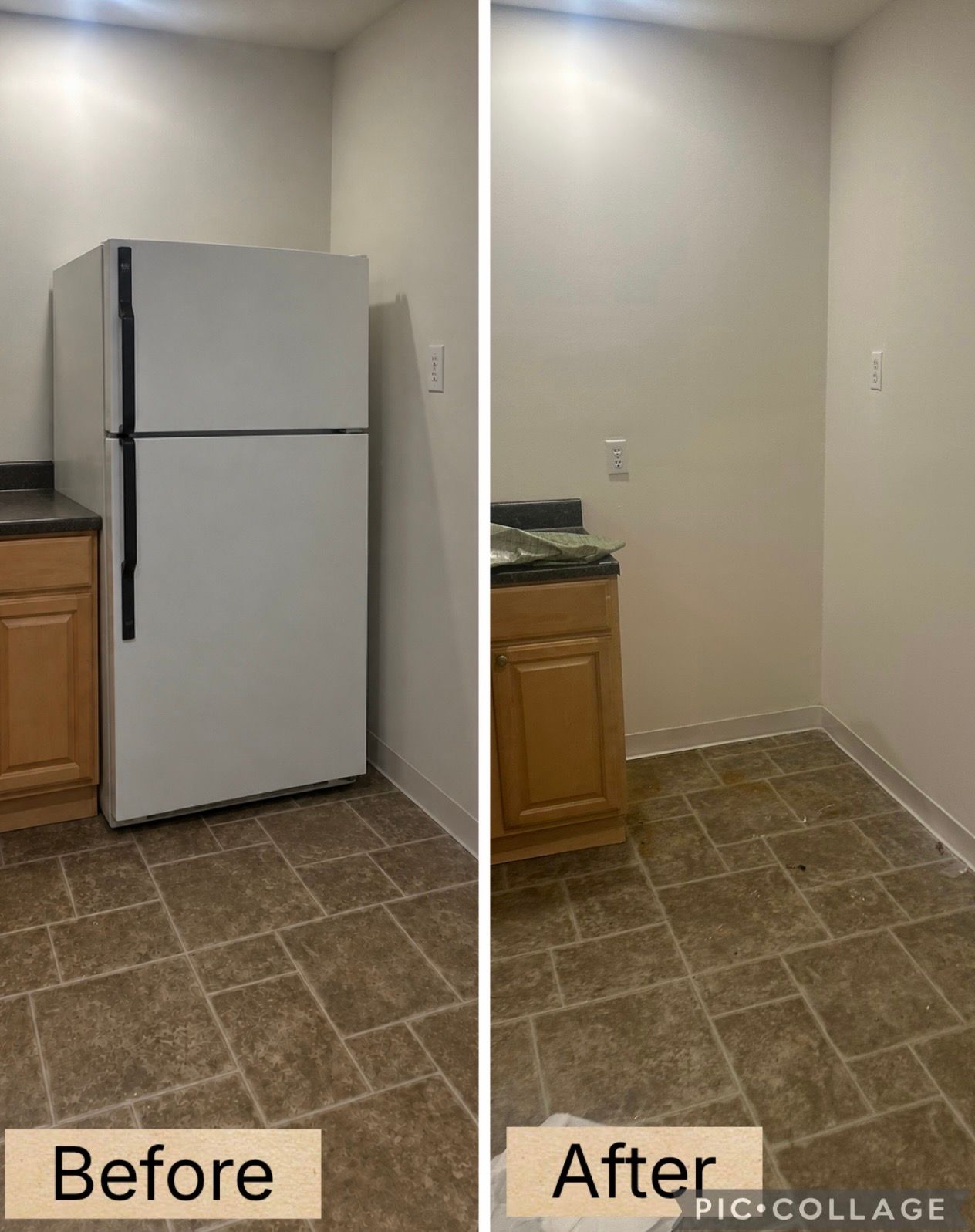
After the appliance is removed, the space it occupied is completely clear—no leftover hardware, no moving blankets staged for retrieval, and no debris from the removal process itself. Flooring and walls in the path of the removal remain in the same condition they were in before the job started. That outcome is particularly relevant in Fredericksburg properties where the original kitchen or laundry room finishes are intact and worth protecting during a renovation or upgrade.
The service covers the full range of large household appliances—refrigerators, freezers, washing machines, dryers, dishwashers, ovens, and similar units—regardless of age, condition, or whether they are still functional. Non-working appliances receive the same handling as operational ones; condition does not affect the removal process.
Common Questions About This Service
Property owners replacing appliances in Fredericksburg often have questions about what preparation is needed before a removal appointment and how the process handles units in tight or finished spaces.
What preparation is needed before an appliance removal appointment?
Appliances should be disconnected from water, gas, and electrical sources before the removal team arrives. The owner handles all physical movement and loading from that point; no further preparation is required from the customer.
How does the removal process protect flooring and walls in older homes with original finishes?
Heavy appliances are lifted and positioned using equipment designed to prevent surface contact during movement. Units are not dragged across floors or forced through doorways in ways that would damage trim or wall surfaces.
Why does municipal trash collection refuse most large appliances and what does that mean for disposal?
Large appliances contain refrigerants, compressors, or other components classified as hazardous under waste disposal regulations, which places them outside standard residential trash collection. A licensed removal service handles transport to appropriate disposal or recycling facilities.
How are appliances removed from basement or second-floor locations where stairwell access is narrow?
The owner assesses the access route before moving the unit, determining whether the appliance needs to be tilted, disassembled in part, or routed through an alternate exit. Stairwell widths and landing configurations in Fredericksburg homes built before 1980 commonly require this kind of pre-move assessment.
What happens to removed appliances after they leave the property?
Appliances are transported to appropriate disposal or recycling facilities in compliance with applicable waste handling requirements. The customer is not responsible for managing that process or tracking where the unit goes after removal.
Anderson Removal LLC also handles appliance removal in Stafford, Chancellor, Thornburg, Falmouth, and Hartwood. To confirm what units need to go and schedule a removal appointment in Fredericksburg, call (540) 300-7330.